Published Updated
Greece tops the US News Most Scenic list. We look at what that means for people who want to live in Greece or invest in Greek property.
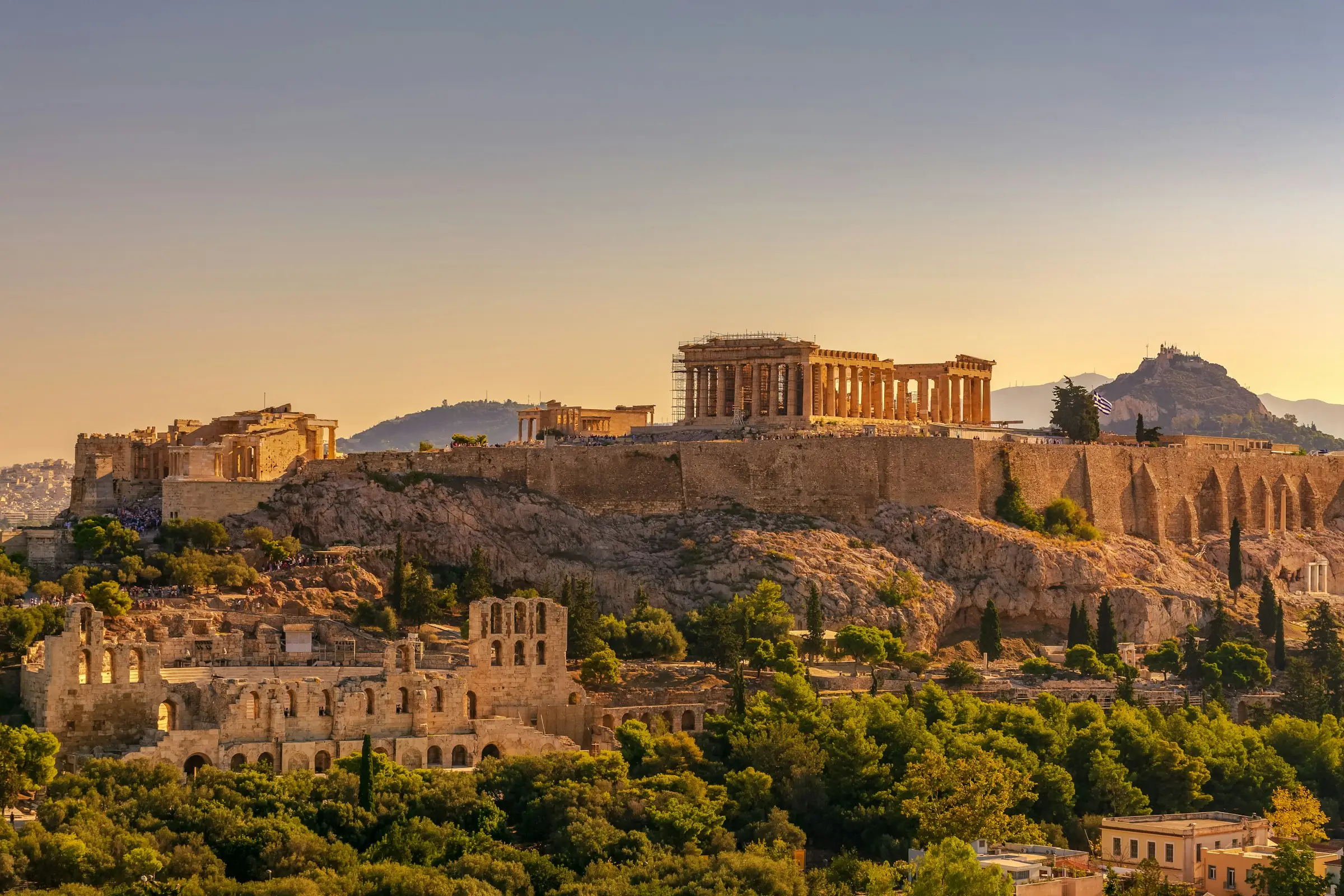
Greece sits first in US News’s 2025 “Most Scenic” countries list, as compiled by World Population Review in its “Most Beautiful Countries in the World 2026” table. For anyone who has looked down over the rooftops of Nafplio or watched the light fade on a Cycladic headland, the result is not a surprise.
The more useful question is what a ranking like this means for someone deciding where to live or where to put their capital. Scenery draws visitors, and visitors pay for rooms, meals and homes. But a view does not pay a mortgage, run a hotel or fill a building in February.
In this piece we look at what the list actually says, what the tourism economy behind it shows, what the property price data tells a buyer, and how we think about turning a love of the place into a sound decision.
What the “most scenic” ranking actually says
World Population Review ranks its table by the US News 2025 “Most Scenic” list. Greece is 1st, followed by New Zealand 2nd, Italy 3rd, Switzerland 4th and Spain 5th. World Population Review compiles the table; the ranking itself is US News’s.
The same page shows how Greece fares in other lists, and they are worth reading alongside the headline. World Population Review lists Greece 9th in Rough Guides’ 2023 list, 2nd on Ranker in 2023 and 3rd in Condé Nast Traveler’s 2023 list. Its own summary is that “countries such as Italy, Greece, and New Zealand tend to rank highly across all sources”.
That consistency matters more than any single result. Lists like these are built from surveys, editors’ choices and reader votes, and their methods differ. A country that keeps ranking highly across different methods has a broad appeal, not a passing fashion.
What these lists do not measure is just as important. They say nothing about daily life, public services, the cost of a home, the length of the tourist season or the return on a property. For those questions you need different data.
Beauty with an economy behind it
Scenery turns into income when people travel to see it. The Bank of Greece reports that in 2025 travel receipts from the UK rose 18.4% to €3,741.6m, receipts from Germany rose 2.2% to €3,784.7m, and receipts from the US rose 9.7% to €1,736.7m. Those three markets alone show a visitor base spread across Europe and across the Atlantic, rather than one that leans on a single country.
For the wider economy, INSETE’s study of tourism’s contribution to the Greek economy estimates tourism’s direct contribution at €32.4bn in 2025, up from €30.2bn in 2024. Counting direct and indirect effects together, tourism equalled 34.6% of GDP in 2025, against 33.8% in 2024. INSETE also estimates that for every 1.0 of tourism revenue, GDP grows by 2.65, and it counts 43.3 million tourists and cruise passengers in 2025, up 6%.
Why does that matter to someone buying a flat or a small hotel? Because a place that people want to see, with an economy built around receiving them, supports demand for rooms, restaurants, services and rental homes. It also brings competition, higher guest expectations and more careful buyers when the time comes to sell.
Living in Greece: choose the rhythm, not the postcard
Most people who talk about moving to Greece start with a picture: a harbour, a white church, a terrace over the sea. The picture is real, but daily life in Greece depends heavily on where you settle and in which month you judge it.
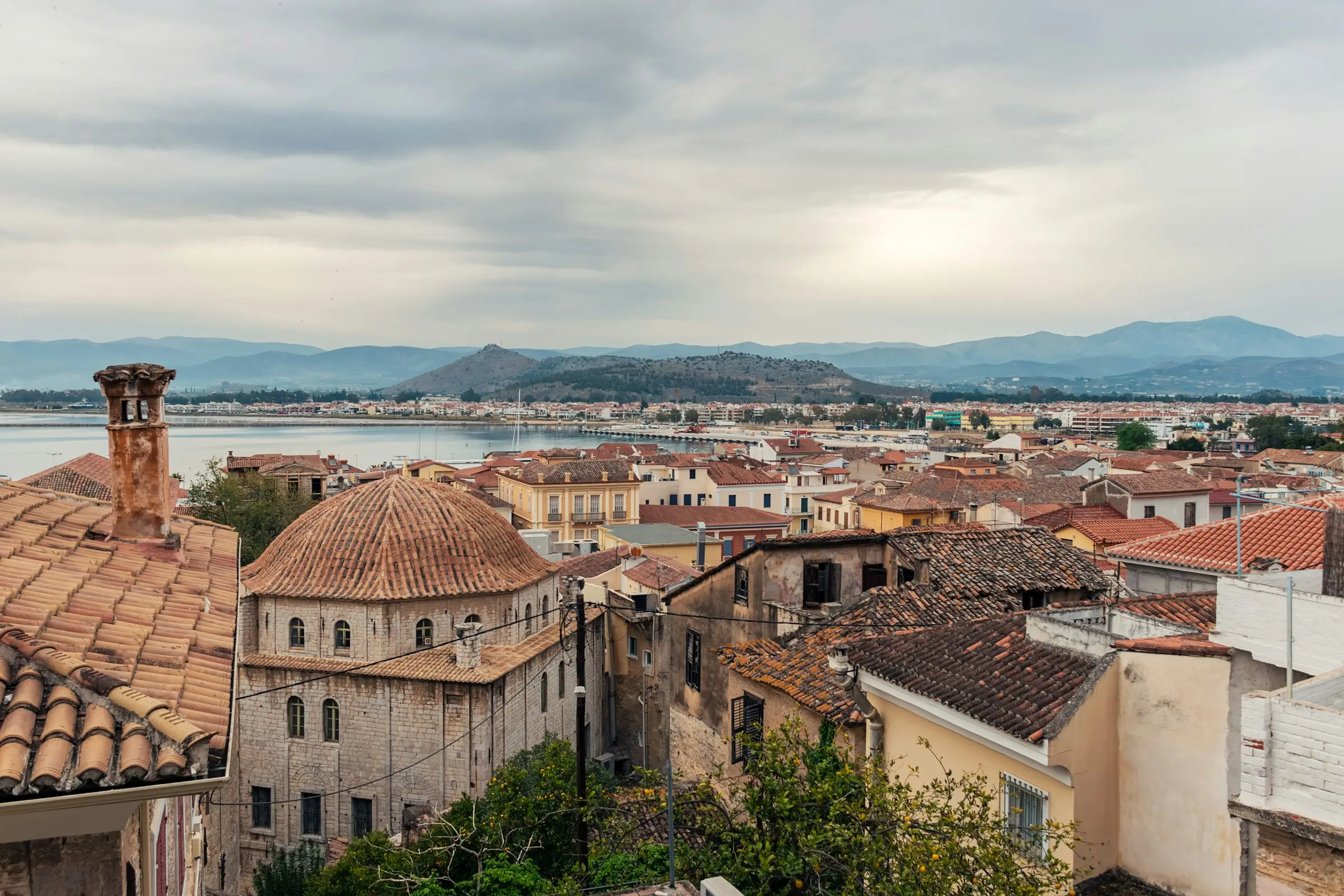
Island towns can feel very different in winter, when many shops, tavernas and hotels close and the pace of the place slows right down. Cities such as Athens and Thessaloniki keep much the same rhythm all year, with hospitals, schools, airports and work close at hand. Mainland towns like Nafplio sit somewhere in between: within reach of Athens, with a life of their own outside the season.
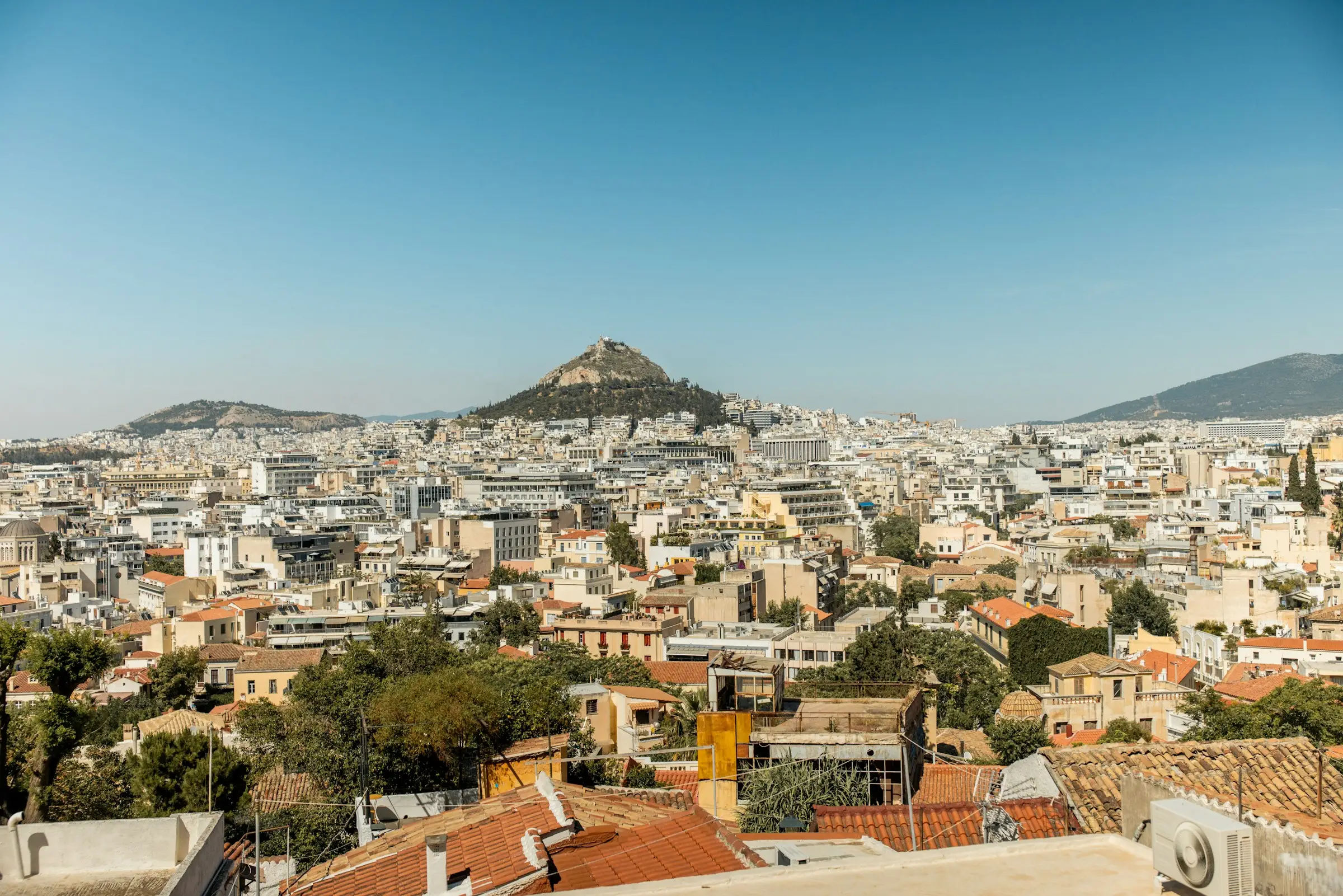
Athens deserves a closer look. It has grown from a gateway into a destination in its own right, and our analysis of Athens as a city-break market sets out what that shift means for hotel owners. For someone relocating, the lesson is simple: a city that people visit in every month tends to keep its restaurants, shops and services open in every month.
Before committing, we suggest spending real time in a place outside the peak months. Rent before you buy, and talk to people who have lived there through a full winter. Residency, tax and legal status depend on your nationality and your circumstances, so take that advice from a qualified Greek lawyer and accountant, not from a ranking or a blog post.
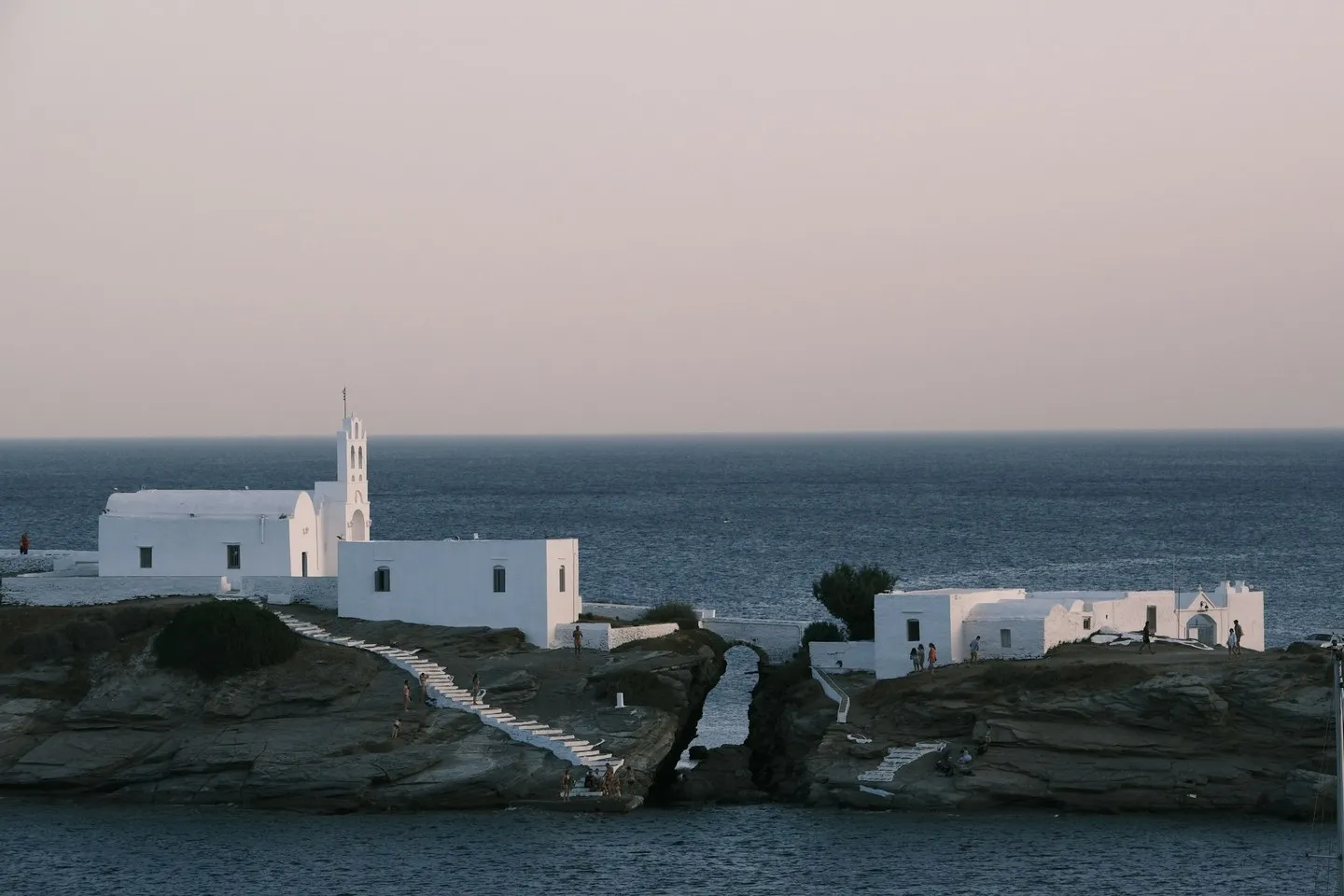
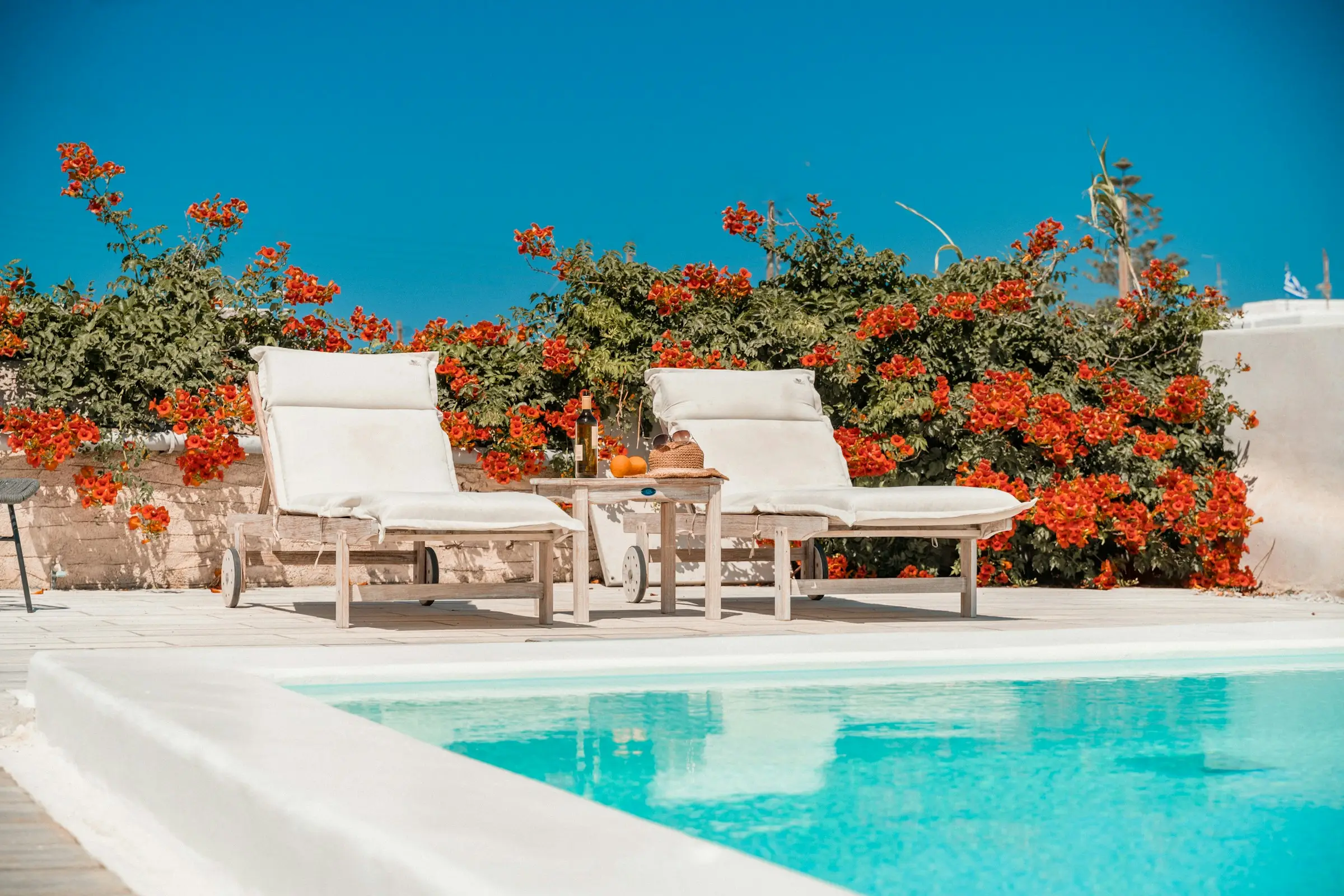
Photo: pepi Nikolopoulou on Unsplash, Sifnos
Investing in Greek property: what the price index shows
Beauty does not set prices; supply, demand and credit do. The most useful public measure for homes is the Bank of Greece index of residential property prices. In Q2 2026, apartment prices were up 5.5% year on year nationally, with every area in the index showing an increase.
| Area | Apartment prices, Q2 2026, year on year |
|---|---|
| Greece (national) | +5.5% |
| Athens | +5.0% |
| Thessaloniki | +4.7% |
| Other cities | +5.4% |
| Other areas | +7.1% |
Source: Bank of Greece, indices of residential property prices, Q2 2026.
The longer view matters as well. The Bank of Greece puts the average annual increase at 8.3% in 2025 (revised) and 9.1% in 2024. So prices were still rising in Q2 2026, but at a slower pace than the annual averages of the two previous years.
Three points follow for a buyer. First, a market that has risen in each of these periods has already priced in much of its appeal, so the entry price matters more than the view from the terrace. Second, the index groups whole areas together; a strong regional figure is not a promise for any single village, street or island. Third, the index tracks apartments. It does not tell you what a villa, a plot of land or a hotel is worth, and it says nothing about rental income.
Home, holiday let or hotel: three different investments
People who fall for Greece often blend three separate ideas: a home to live in, a property to let to visitors, and a hotel business. Each one carries its own risks and asks for its own kind of work.
A home
A home is judged on the life it gives you and on what it will fetch when you sell.
A holiday let
A holiday let adds income, but also guest handling, cleaning, maintenance, marketing and local rules that you need to check before you buy.
A hotel
A hotel is an operating business: its revenue depends on staff, distribution, pricing and the standards that come with its licence and category. If a hotel is what you have in mind, our guide to buying a boutique hotel in Greece walks through how to read the market, the stock by category, due diligence and the team you need around you. If you already own a hotel and would rather have a fixed income than run it yourself, our piece on leasing your hotel for guaranteed rent explains how a long-term lease works and what owners should check.
In each case the order of work is the same: define the goal, match the property to it, test the numbers and check the asset before any money changes hands. That is the work our investment advisory and consulting service does with buyers and owners, from first shortlist to final checks.
What this means for people planning to live or invest
- Treat the ranking as a reason to look, not a reason to buy. It tells you why people come to Greece. It tells you nothing about a specific property.
- Visit outside the season. A place you love in August may feel very different in January. Spend time there before you sign anything.
- Separate your goals. Decide whether you are buying a home, an income property or a business, and judge it on those terms.
- Read the data for your area and property type. National price figures are a starting point, not a valuation.
- Take local professional advice. Legal, tax and residency questions depend on your own situation, and they need a Greek lawyer and accountant.
Greece earns its high place on these lists, but a good purchase there still comes down to the right property, at the right price, for the right purpose.
Cover photo: Vasilis Baimas on Unsplash, Nafplio. Unsplash License.