Published Updated
Practical ways for Greek hotels to improve occupancy and conversion without relying on constant discounts that undermine room revenue.
Practical ways for Greek hotels to improve occupancy and conversion without relying on constant discounts that undermine room revenue.
This guide is designed for hotel owners and operators making commercial and operational decisions in Greece. The examples are illustrative, not promises of revenue or occupancy. Every property should validate assumptions against its own booking data, costs, location and guest mix.
Start with the conversion funnel
If potential guests view a property but do not book, the problem may be unclear room differences, unexpected fees, restrictive cancellation terms or weak trust signals. Review the journey on a phone before spending more on traffic.

Snow-covered peaks of Mount Parnassus above green scrub-covered hills under a pale sky near Delphi. Photo: silversea / Unsplash.
Segment demand by travel purpose
Weekend leisure guests, couples, business travelers and longer-stay visitors may value different benefits. A package should be built around a genuine need, not an arbitrary bundle that complicates the booking process.
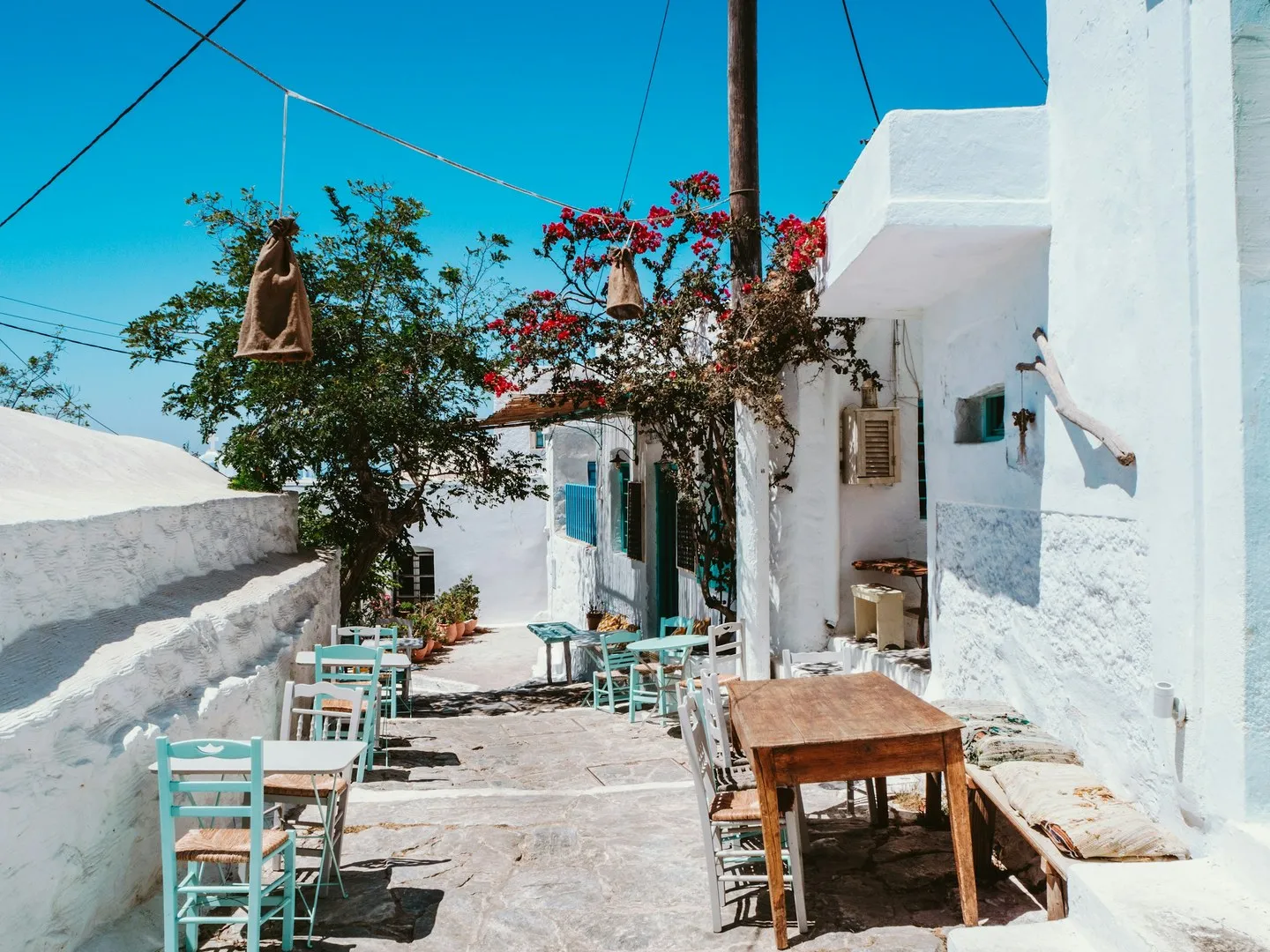
Whitewashed lane on Amorgos with wooden tables, pale blue chairs and red bougainvillea. Photo: Johnny Africa / Unsplash.
Avoid false success metrics
An increase in reservations is not necessarily an increase in profit. Compare net room revenue, average length of stay, cancellation rates and the additional cost of servicing each offer.
At-a-glance comparison
| Lever | Action | Measure |
|---|---|---|
| Photography | Show accurate room-level images | Listing-to-booking conversion |
| Booking journey | Reduce steps and clarify terms | Abandoned bookings |
| Packages | Add relevant non-price benefits | Net revenue per booking |
| Distribution | Correct availability and room mapping | Pickup by channel |
How to put this into practice
Step 1 — Establish the baseline. Export the last 12 months of room revenue, occupancy, ADR, booking pace and channel mix where available. For seasonal properties, compare equivalent weeks rather than a single annual average.
Step 2 — Identify the decision owner. Name the person responsible for commercial changes, guest communication and operational follow-through. Avoid changes that have no accountable owner.
Step 3 — Test a defined improvement. Choose one issue, record the starting position, set a realistic review period and monitor results alongside cancellation rates and costs.
Step 4 — Review the outcome. Keep what improves guest experience or net contribution, and reverse changes that only inflate headline volume.
Questions hotel owners should ask
What information should I request before making a decision?
Ask for room-level and date-level performance, distribution costs, booking restrictions, guest feedback and a written description of the proposed change. If the data is unavailable, make improving reporting the first priority.
How quickly should I expect results?
It depends on booking lead times, seasonality and the change being tested. Website improvements may affect conversion relatively quickly; reputation, positioning and distribution changes often require a longer evaluation window. Avoid interpreting a few days of bookings as a reliable trend.
Which KPI matters most?
There is no universal single KPI. RevPAR, ADR, occupancy, net channel contribution and operating profit answer different questions. Choose the metric that reflects the decision, then check it against guest satisfaction and cash flow.
Should every Greek hotel follow the same approach?
No. A year-round Athens city hotel, a seasonal island boutique property and a resort with substantial ancillary revenue face different demand patterns and cost structures. Tailor decisions to the actual asset.
When does professional hotel management help?
A management partner can help when an owner needs specialist commercial, distribution or operational capacity. Evaluate scope, team experience, reporting transparency and total cost before entering an agreement.
Further reading
Explore our existing analysis of hotel management in Greece, direct bookings and OTA commissions and hotel repositioning. For a property-specific conversation, see Finest Hospitality services.
Frequently asked questions
What should hotel owners evaluate first?
Start with the property’s current performance, operating model, goals and the full cost of any proposed change.
Are the examples in this article guaranteed outcomes?
No. Examples illustrate decision frameworks; actual results depend on demand, costs, execution and local conditions.
Where can I learn more about Finest Hospitality services?
See the company’s hotel management services page for information about its approach and areas of support.
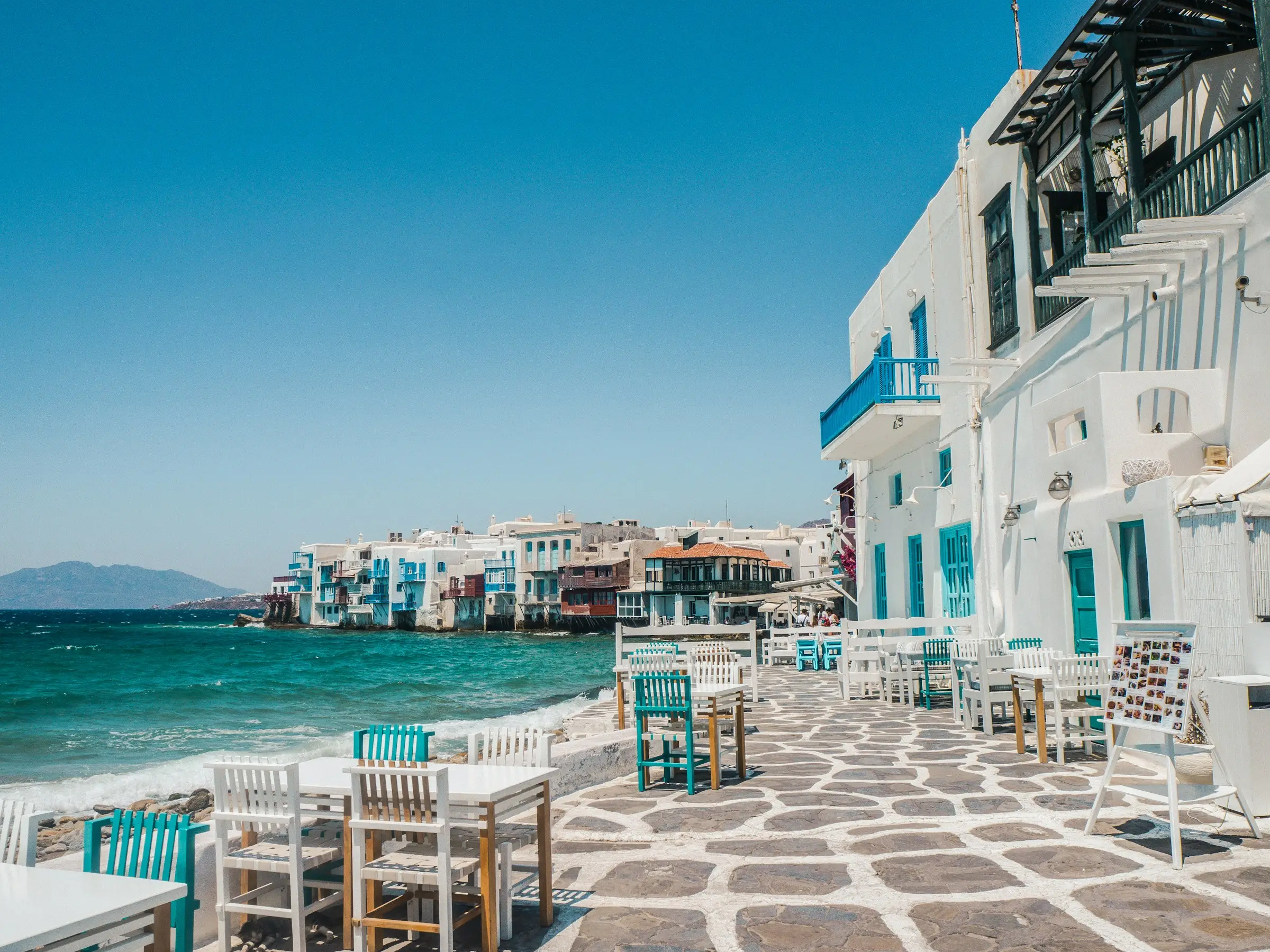
Cover photo: Philip Jahn on Unsplash, Oia, Santorini. Unsplash License.